




Advertisement
Advertisement
Researchers have discovered a startling connection between wolves and a parasite that can also affect humans.
Wolves typically live in packs led by a breeding pair. While some wolves remain within their pack, functioning like a family unit by assisting with hunting and pup-rearing, others might opt to find a mate elsewhere to establish their own pack.
Various factors could account for why a wolf might leave or become the leader of a pack, including their individual personality and familial ties. This question has puzzled scientists for a long time.
Yet, recent scientific research has revealed an unexpected impact of a parasite known as Toxoplasma gondii on gray wolves and their behavior.
Advert
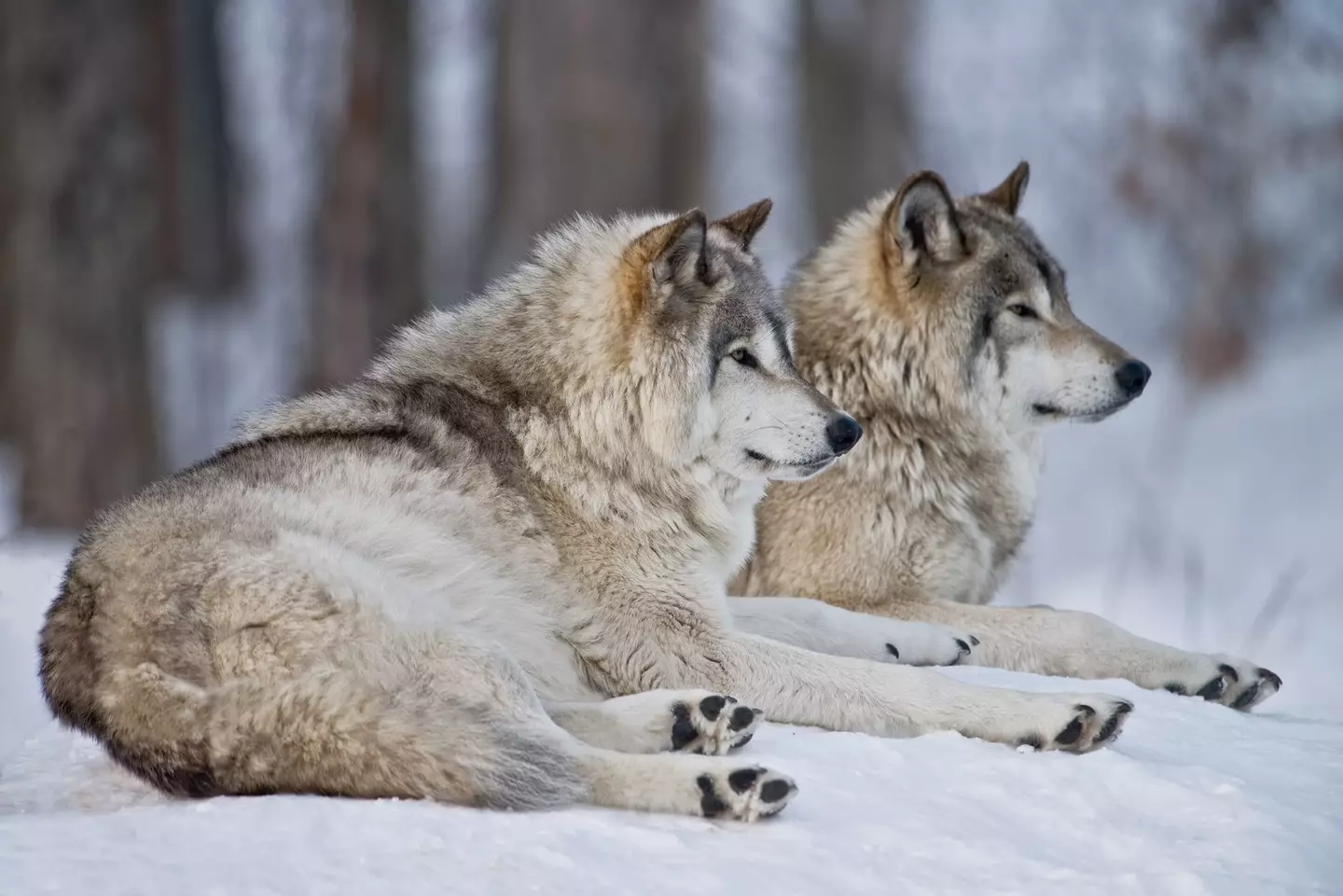
In Yellowstone National Park, scientists observed that gray wolves infected with the parasite were more inclined to depart from their birth group or ascend to pack leadership.
Toxoplasma gondii is a single-celled organism causing the disease toxoplasmosis, which can also infect humans, impacting over a third of the global population at any given time.
Though the infection is typically mild, it can pose serious or even fatal risks to infants and individuals with compromised immune systems.
Advert
Toxoplasma gondii reproduces exclusively in the intestines of domestic and wild cats but can infect any warm-blooded animal. It is particularly noted for altering its host's behavior, famously making rodents less fearful of cats.
Animals can contract Toxoplasma by consuming an infected animal or by encountering the parasite's eggs in cat feces.
If the parasite lodges in an animal that is not a cat, it can remain in areas like the brain for years.
So, what implications does this have for humans?
Advert

Emerging evidence indicates that individuals with toxoplasmosis tend to take more risks than those who are not infected, such as engaging in dangerous driving.
In a new study, published in Communications Biology, co-author and wildlife biologist with the Yellowstone Wolf project, Kira Cassidy, alongside colleagues, examined 26 years of behavioral data and blood samples collected from Yellowstone wolves.
The research team also investigated the presence of cougars in the park and tested their blood, as cougars are known carriers of Toxoplasma.
Advert
Wolves residing near cougars showed a higher likelihood of being infected with Toxoplasma.
Even more remarkably, infected wolves were 11 times more prone to leaving their pack and over 46 times more likely to rise to pack leadership compared to their uninfected counterparts.

Advertisement
Advertisement
Advertisement


