




Advertisement
Advertisement
A pharmacist has issued a caution to anyone who consumes vitamin D supplements.
Our bodies naturally produce vitamin D when exposed to sunlight. Additionally, we can obtain this vitamin from certain foods and supplements.
However, a significant number of people in the UK are lacking sufficient vitamin D. A study released earlier this year revealed that approximately 50 percent of Brits are deficient in vitamin D.
Although about one in six people report taking a supplement, a pharmacist has warned about the risks of excessive intake.
Advert
Vitamin D supplement dosages can vary. While multivitamins often contain lower doses, individuals can also take higher doses through tablets, sprays, and gummies, depending on their level of deficiency.
However, it is crucial not to exceed the recommended amount.

Jana Abelovska, Superintendent Pharmacist at Click Pharmacy, explained to Surrey Live: "The optimal way to obtain vitamin D is through your diet, supported by supplements like tablets, capsules, gummies, or sprays that you administer directly into your mouth."
Advert
"Vitamin D is fat-soluble, meaning it is absorbed into the body along with fats. Therefore, taking your vitamin D supplement with foods containing healthy fats, such as nuts or yogurt, will enhance absorption."
"The recommended daily intake of vitamin D for adults aged 19 to 70 is 15 mcg, equivalent to 600 IU or International Units, which is the unit used to measure vitamins. It's quite common to take vitamin D supplements, especially since many of us do not get enough from sunlight or food alone."

Jana further emphasized the importance of not consuming excessive vitamin D, as it can 'accumulate in your body'.
Advert
She stated: "Avoid taking excessive vitamin D. As a fat-soluble vitamin, it can accumulate in your body more readily than others."
"Consuming too much vitamin D over a long period can result in hypercalcemia, an excess of calcium in the body, which can lead to issues with your heart, kidneys, and bones. The upper safe limit for vitamin D supplementation is considered to be 4,000 IU or 100 mcg."
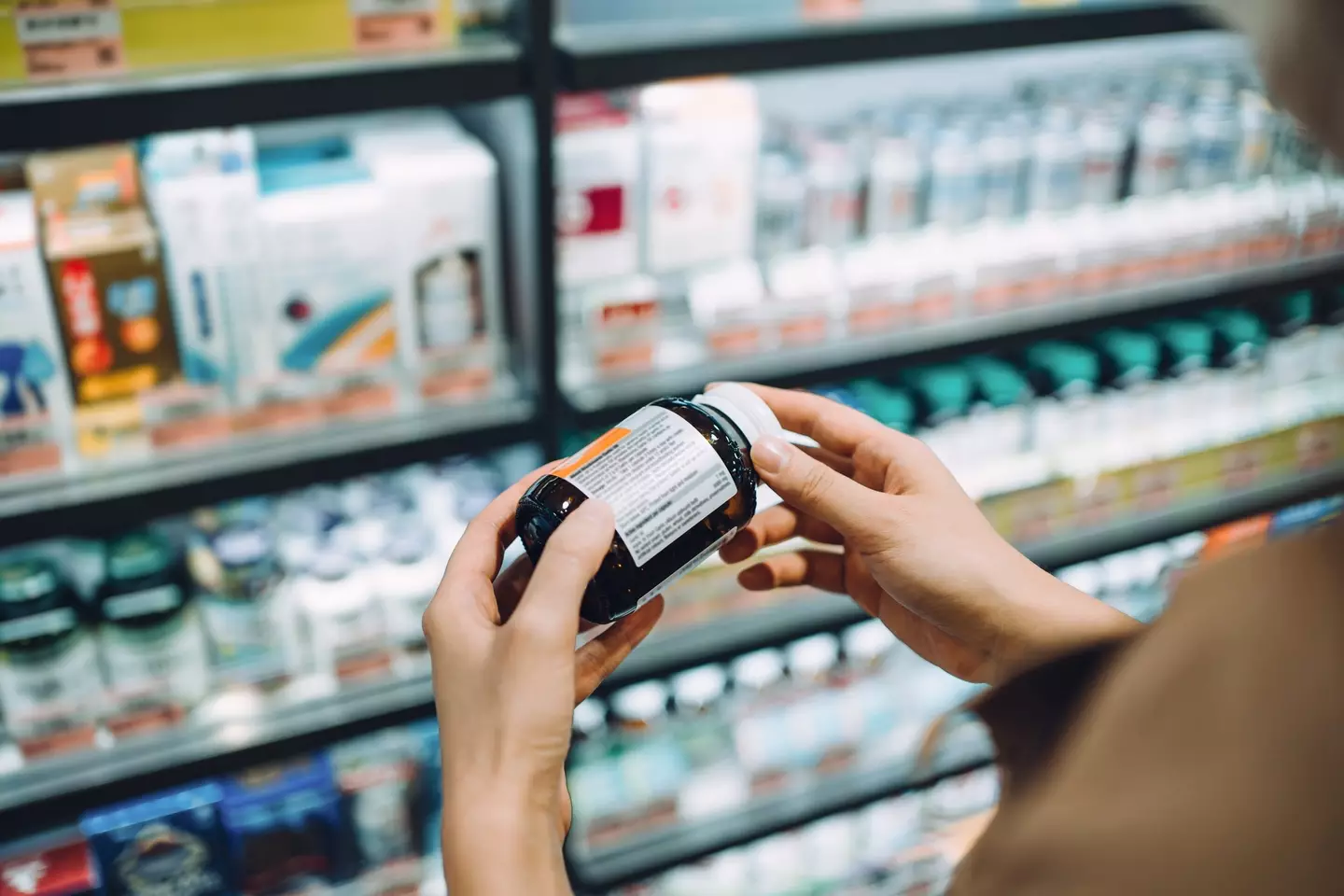
The NHS also warns not to exceed 4,000 IU, advising: "Do not consume more than 100 micrograms (4,000 IU) of vitamin D per day as it could be harmful. This applies to adults, including pregnant and breastfeeding women, the elderly, and children aged 11 to 17 years."

Advertisement
Advertisement
Advertisement


